

Lifestyle · 2026-04-23
Hokkaido Food Guide
A Culinary Journey Through Japan’s Richest Natural Pantry
Introduction: Why Hokkaido Is Considered Japan’s Food Capital
When people talk about food in Japan, cities like Tokyo and Osaka often come to mind. But for those who truly understand Japanese cuisine, Hokkaido holds a special place. It is widely regarded as Japan’s food capital, not because of complex culinary techniques, but because of something more fundamental—the quality of its ingredients.
Hokkaido’s geography, climate, and natural resources create ideal conditions for agriculture, dairy farming, and fishing. Cold waters, fertile soil, and wide-open land allow ingredients to develop richer flavors and higher quality compared to many other regions.
This means that in Hokkaido, even the simplest dishes can feel exceptional. Freshness is not a selling point—it is the standard.
Seafood: The Core of Hokkaido’s Culinary Identity
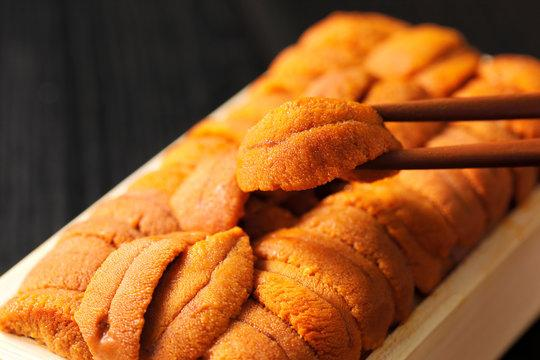
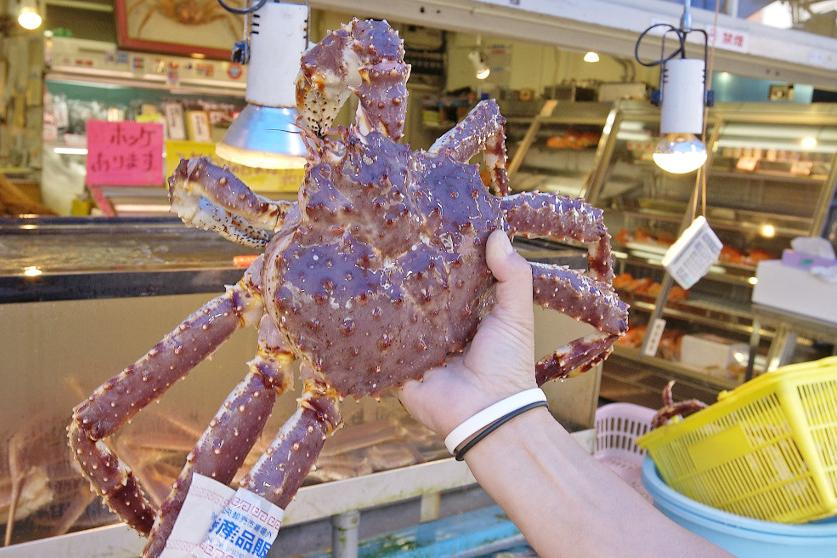
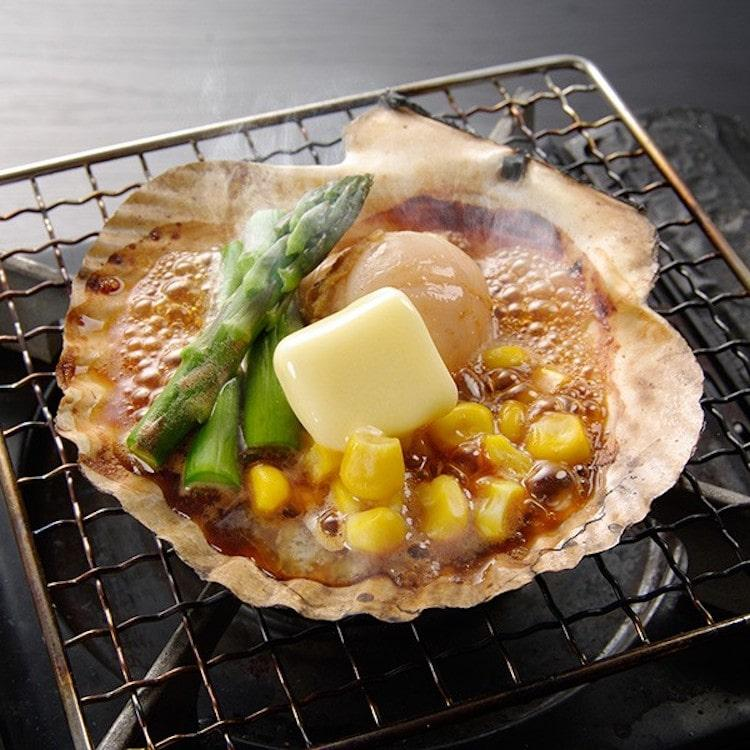
Surrounded by some of the richest fishing grounds in the world, Hokkaido offers an extraordinary variety of seafood.
Signature Seafood: Uni (Sea Urchin) Known for its creamy texture and sweet flavor, Hokkaido uni is considered among the best globally. Crab (King Crab, Snow Crab, Hairy Crab) Each variety offers a different texture and taste, often served fresh, steamed, or in hot pot dishes. Scallops Large, tender, and naturally sweet, often grilled with butter or served raw. Seafood Donburi (Rice Bowls) A simple yet iconic dish combining fresh seafood over rice, showcasing ingredient quality without heavy seasoning.
What makes Hokkaido seafood special is not only variety, but immediacy. Many dishes are prepared close to where the ingredients are sourced, preserving freshness and flavor.
Sapporo Ramen: A Warm Identity in Cold Weather
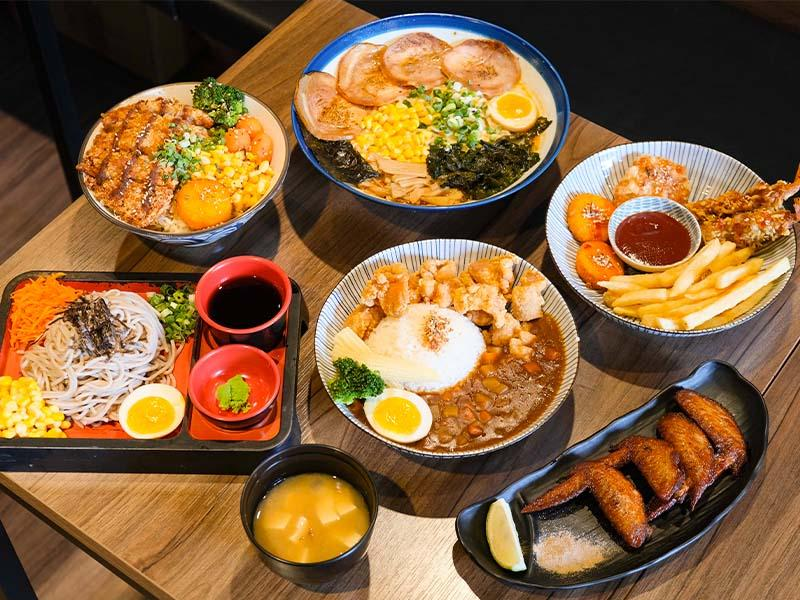
Among Japan’s many regional ramen styles, Sapporo ramen stands out as one of the most distinctive.
Key Characteristics: Rich miso-based broth Thick, slightly curly noodles Toppings such as corn, butter, pork, and green onions
Originally developed to suit Hokkaido’s cold winters, this style of ramen is hearty, warming, and deeply satisfying.
In Sapporo, entire streets are dedicated to ramen shops, offering a wide range of variations. For visitors, exploring these local spots becomes part of the travel experience.
Dairy Excellence: Milk, Cheese, and Desserts
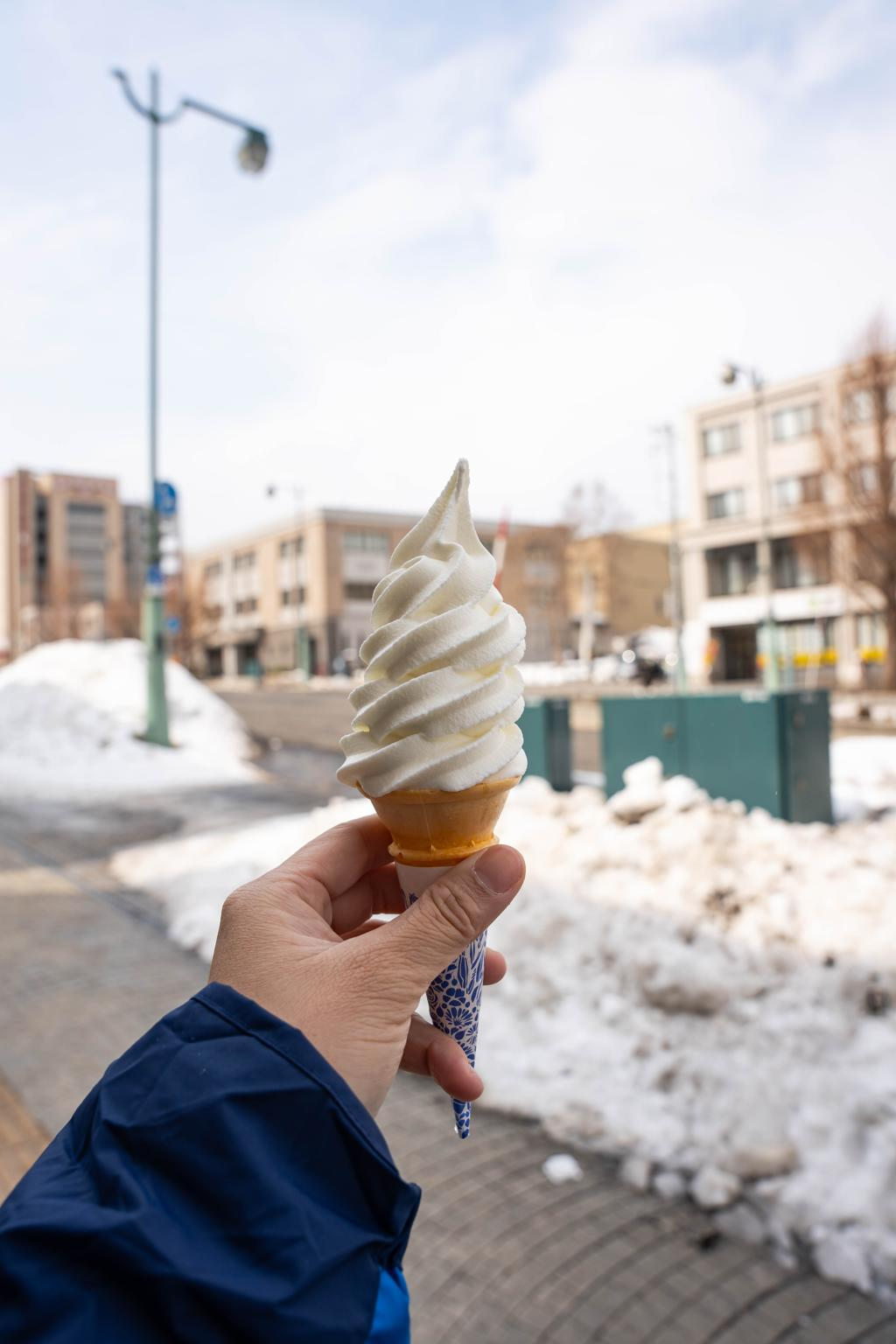
Hokkaido’s dairy industry is unmatched in Japan.
Thanks to its cooler climate and abundant land, the region produces milk with a richer taste and higher quality. This forms the foundation for a wide range of dairy products.
Highlights: Fresh milk with natural sweetness Soft-serve ice cream with creamy texture Cheese varieties comparable to European standards Desserts such as cheesecakes and parfaits Dairy is not just a side category—it is a defining feature of Hokkaido’s food culture.
Agriculture and Seasonal Produce
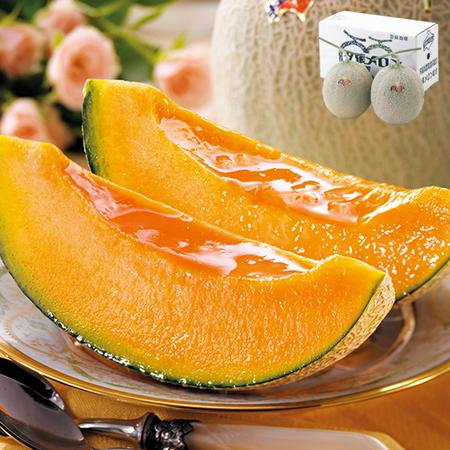
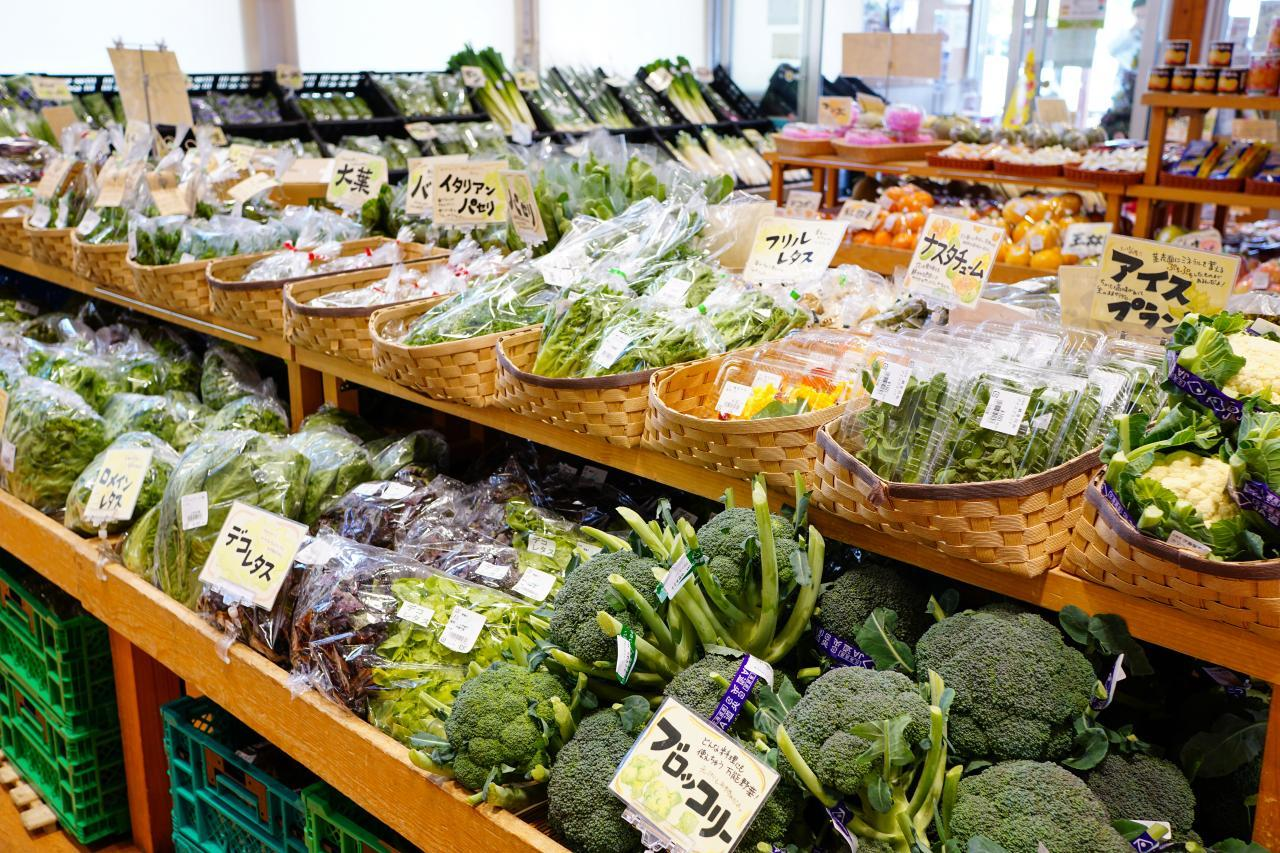
Hokkaido’s agricultural output plays a major role in its culinary reputation.
Notable Produce: Yubari Melon One of Japan’s most famous luxury fruits, known for its sweetness and aroma. Corn Particularly sweet and juicy, often eaten fresh or grilled. Potatoes A staple ingredient used in many dishes, reflecting Hokkaido’s farming heritage. Seasonal Vegetables Grown in clean soil and cooler temperatures, offering strong natural flavors.
This emphasis on seasonal ingredients reinforces the connection between food and the environment.
Local Markets: Where Food Meets Daily Life
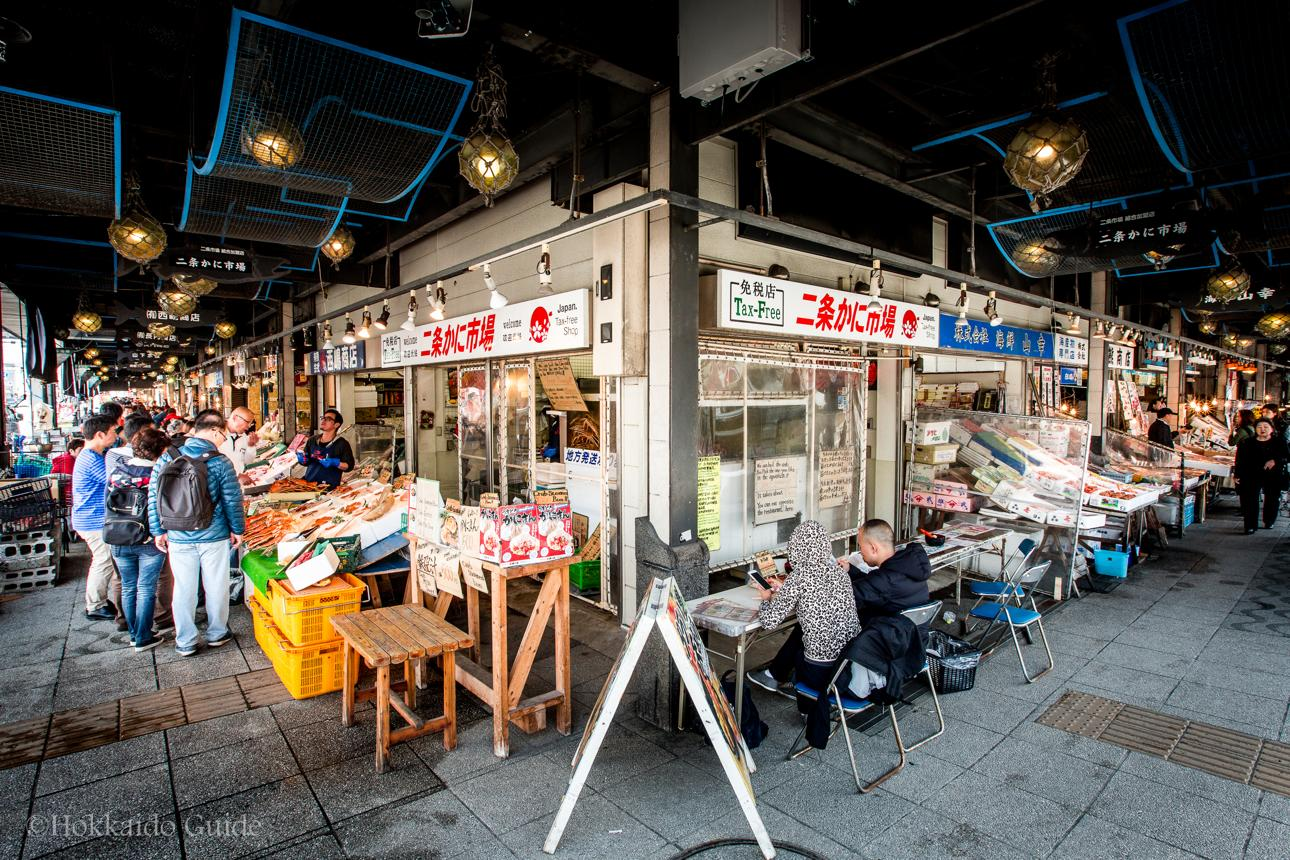
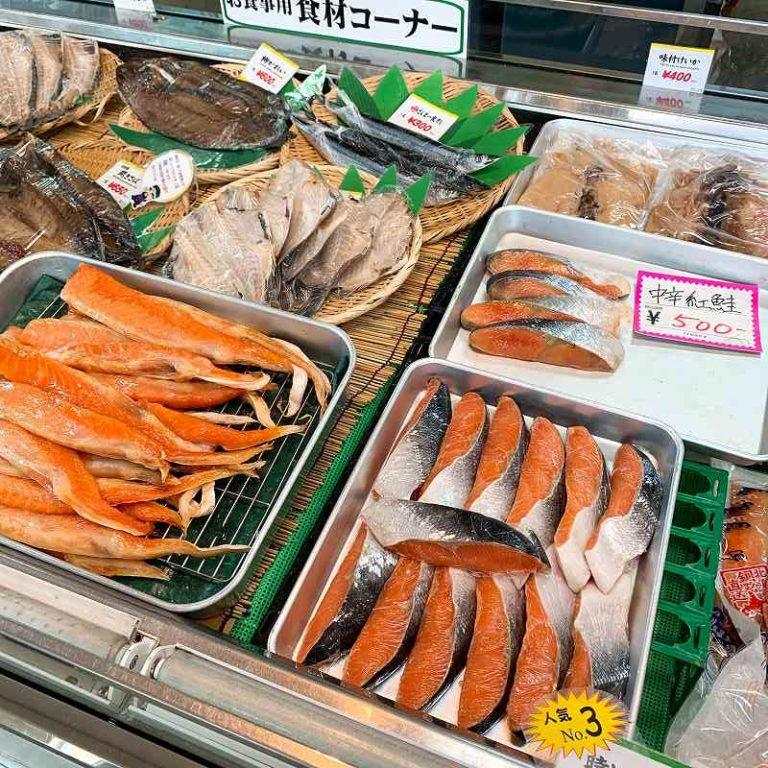
To fully understand Hokkaido’s food culture, one must visit its local markets.
Markets such as Nijo Market offer a direct connection to the region’s food sources. Here, visitors can: See fresh seafood being prepared Eat on-site at small stalls Experience the rhythm of daily life
These markets are not designed only for tourists—they are part of the local ecosystem, making the experience authentic and grounded.
Dining Culture: From Casual to Refined
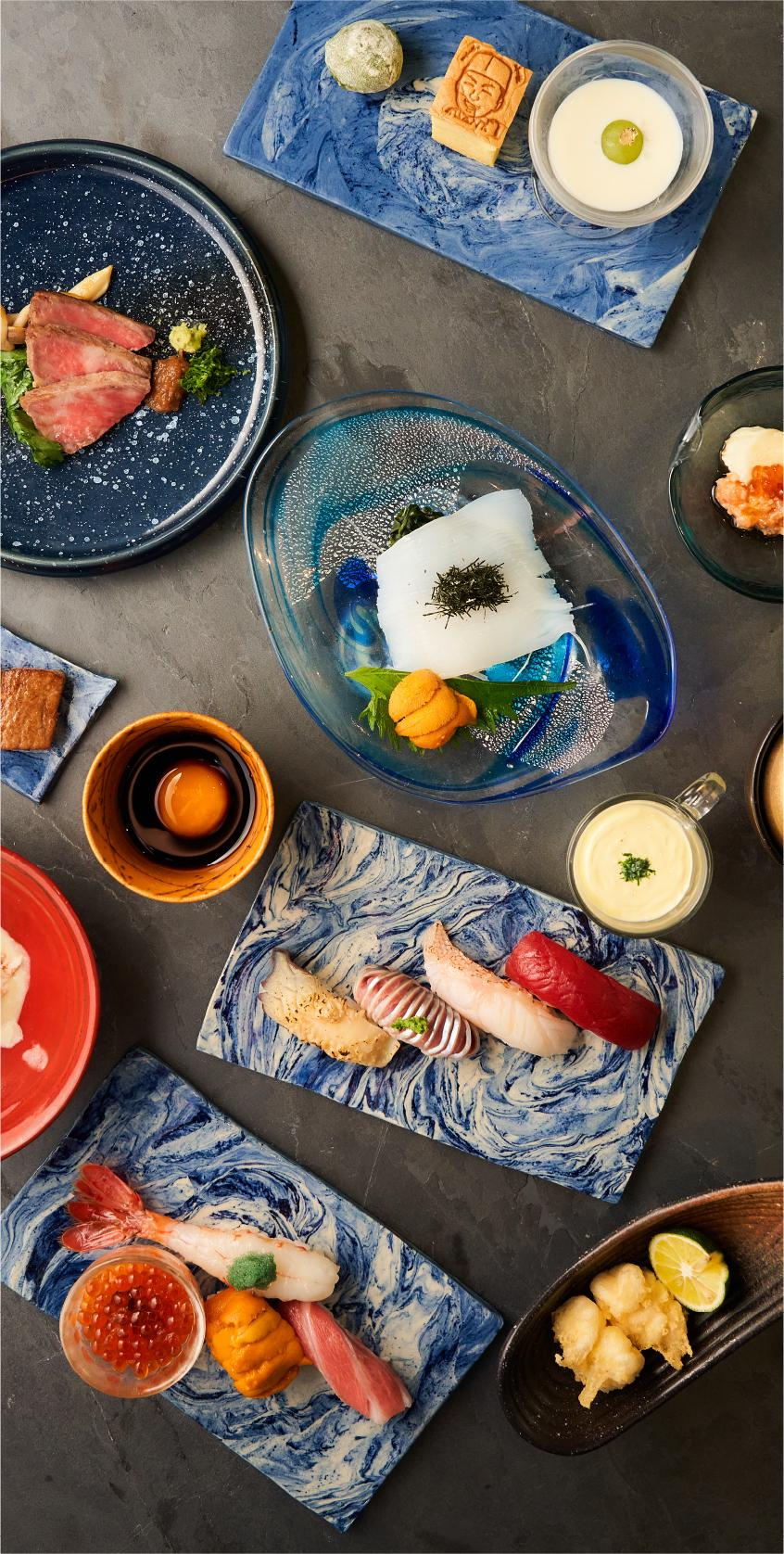
Hokkaido offers a wide spectrum of dining experiences. Casual dining: ramen shops, seafood stalls, local eateries Izakaya (Japanese pubs): relaxed settings with shared dishes Fine dining: high-end restaurants focusing on seasonal ingredients
This range allows visitors to explore food at different levels, from everyday meals to refined culinary experiences.
Importantly, even casual dining in Hokkaido often maintains a high standard due to ingredient quality.
Food as a Driver of Travel and Return Visits
One of the key reasons Hokkaido attracts repeat visitors is its food.
Unlike destinations where attractions may feel “one-time,” food offers continuous discovery. Seasonal changes, different restaurants, and regional specialties create new experiences with each visit.
For many travelers: The first visit is about exploration The second visit is about revisiting favorite dishes Later visits focus on deeper culinary experiences
This pattern of repeat travel strengthens Hokkaido’s position as a long-term destination.
From Culinary Experience to Lifestyle Appreciation
Food is often the most immediate way people connect with a place. In Hokkaido, this connection can become deeper over time.
Regular visitors begin to appreciate: The consistency of ingredient quality The seasonal rhythm of food availability The integration of food into daily life
This gradual familiarity can shift perception from “travel experience” to “lifestyle preference.”
Conclusion: More Than Food, A Taste of Living in Hokkaido
Hokkaido’s food scene is not defined by complexity, but by purity, quality, and connection to nature.
It offers: Some of the best seafood in the world Distinctive regional dishes High-quality dairy products Strong agricultural heritage
But beyond these elements, it offers something less tangible—a sense of authenticity and comfort.
For many visitors, food becomes the starting point of a deeper relationship with the region. It is what draws them back, season after season.
And over time, what begins as a culinary journey can quietly evolve into a broader appreciation of life in Hokkaido itself. In this way, food is not just something you experience here.
It is something that connects you to the place—long after the meal is over.